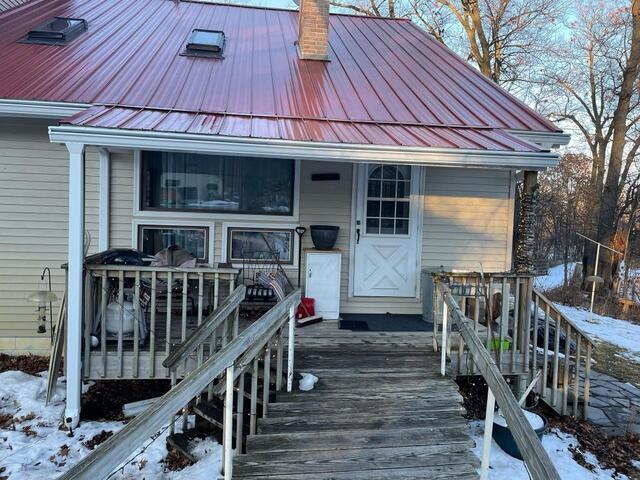
Gutters are More Important in Minnesota than other States.
Why Gutters Are More Important in Minnesota Than in Other States
Minnesota homeowners deal with a unique mix of heavy snow, spring thaws, freezing rain, summer storms, and dramatic temperature swings. In many states, gutters mainly manage rainwater. In Minnesota, they do much more: they help protect your roofline, foundation, siding, landscaping, and basement from water problems that can build up season after season.
Minnesota Weather Puts Gutters to the Test
The biggest reason gutters matter so much in Minnesota is the constant freeze-thaw cycle. Snow melts during warmer daytime temperatures, then refreezes when temperatures drop at night. If gutters are clogged, loose, undersized, or poorly pitched, that water has nowhere to go. It can freeze inside the gutter, overflow at the roof edge, or drain too close to the home.
Over time, this repeated freezing and thawing can stress gutter fasteners, pull gutters away from fascia boards, and create ice buildup that is much heavier than normal rainwater. A gutter system that might be “good enough” in a warmer climate can fail quickly when Minnesota winter adds snow, ice, and rapid temperature changes.
Gutters Help Reduce Foundation and Basement Problems
When snow melts in late winter or early spring, a large amount of water can come off the roof in a short period of time. Without a working gutter and downspout system, that water can pool around the foundation. In Minnesota, where the ground may still be frozen during early thaws, water often cannot soak into the soil quickly. Instead, it sits near the home and looks for a way into basements, crawl spaces, or foundation cracks.
Proper gutters move roof runoff away from the house before it becomes a bigger moisture issue. Downspout extensions are especially important because they help discharge water several feet from the foundation instead of dumping it beside the basement wall.
Ice Dams Make Drainage More Complicated
Ice dams are a familiar Minnesota problem. They form when heat escaping from the home melts snow on the upper roof, then that water refreezes near the colder eaves. According to guidance from the University of Minnesota Extension, ice dams can prevent melting snow from draining off the roof, allowing water to back up and potentially leak into walls, ceilings, insulation, and other parts of the home.
Gutters do not cause ice dams, and they cannot solve attic heat-loss problems by themselves. However, clogged or poorly functioning gutters can make winter drainage issues worse by holding slush, debris, and ice at the roof edge. Clean, secure gutters give meltwater the best chance to move away from the home whenever temperatures allow.
Heavy Snow and Storms Add Extra Weight
Minnesota gutters also have to withstand more physical stress than gutters in many milder climates. Snow sliding off the roof, ice collecting in troughs, and strong spring and summer storms can all loosen hangers, bend sections, and separate seams. Once a gutter starts to sag, water collects in low spots, which increases the chance of more ice buildup and overflow.
That is why Minnesota homes benefit from durable materials, proper slope, secure fastening, and downspouts sized to handle sudden runoff. A well-installed system is not just about appearance; it is part of the home’s weather protection system.
Seasonal Gutter Maintenance Matters More Here
Because Minnesota homes face both leaf season and snow season, gutter maintenance should happen before winter and again after major storms or spring thaw. Homeowners should watch for overflowing water, sagging sections, loose brackets, leaks at seams, and downspouts that discharge too close to the foundation.
· Clean leaves, twigs, and roof grit from gutters after fall leaf drop.
· Flush downspouts to make sure water moves freely.
· Check that gutters are sloped toward downspouts.
· Extend downspouts away from the foundation.
· Inspect fascia boards for signs of rot or water staining.
· Repair loose hangers before snow and ice add extra weight.
The Bottom Line
In Minnesota, gutters are not a minor exterior detail. They are a critical defense against snowmelt, ice buildup, foundation moisture, basement leaks, and costly exterior damage. A clean, properly installed gutter system helps your home handle the state’s toughest weather with less risk and fewer surprises.
If your gutters are sagging, overflowing, leaking, or pulling away from the house, it is worth having them inspected before the next freeze or heavy rain. In Minnesota, prevention is almost always cheaper than repairing water damage after the fact.